Building a Home in India from Abroad: A Practical Guide for NRIs
For many NRIs, building a home in India is more than a real estate decision. It is an emotional investment—a place to return to, reconnect with roots, and create lasting memories.
However, executing a construction project while living abroad comes with its own set of challenges. Distance, coordination issues, and lack of on-ground control can make the process complex.
With the right approach, however, it can be smooth, structured, and deeply rewarding.
The Real Challenge Is Not Distance—It Is Clarity
Most problems NRIs face do not arise from distance alone, but from lack of clarity in design, documentation, and execution systems. Without a clear plan, decisions are made on-site by multiple parties, leading to inconsistencies, delays, and cost overruns.
The key is to establish a strong foundation before construction begins.
Step 1: Define Your Vision Clearly
Before approaching an architect, take time to think about:
• How often will you use the home?
• Is it for vacations, retirement, or long-term living?
• What kind of lifestyle do you want to experience?
• How many people will use the space regularly?
The clearer your intent, the better the design outcome.
Step 2: Choose the Right Architect (Not the Cheapest One)
For NRIs, the architect is not just a designer—they are your eyes, ears, and decision partner on the ground.
Choose a firm that:
• Understands both design and construction
• Has a structured process and documentation system
• Communicates clearly and regularly
• Has experience handling end-to-end projects
A reliable architect reduces uncertainty significantly.
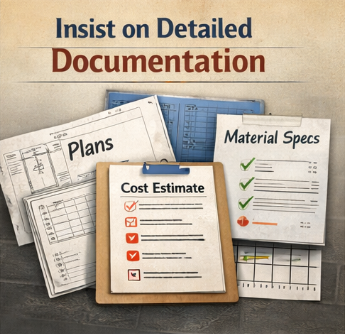
Step 3: Insist on Detailed Documentation
This is one of the most critical steps.
Ensure your project includes:
• Detailed architectural drawings
• Interior layouts and specifications
• Material selection documents
• Cost estimates and timelines
Clear documentation reduces dependency on verbal instructions and ensures consistency during execution.
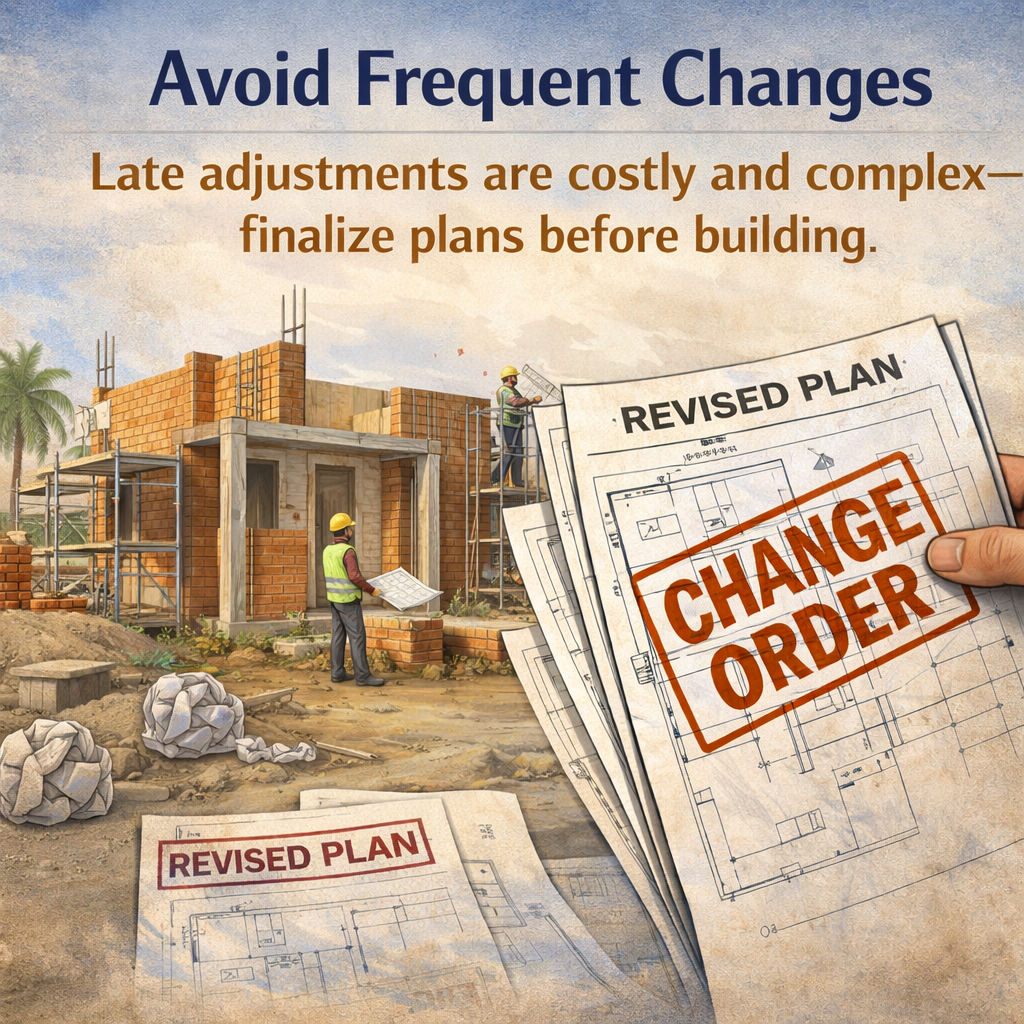
Step 4: Avoid Frequent Changes
One of the biggest cost drivers in construction is design changes after work begins.
For NRIs, every change becomes more complicated due to remote communication.
Take time to finalise the design thoroughly before starting construction.
Clarity upfront saves time, money, and effort later.
Step 5: Establish a Structured Communication System
Regular updates are essential.
Your architect or project team should provide:
• Weekly or fortnightly progress reports
• Site photographs or video updates
• Clear updates on timelines and decisions required
A structured communication system builds confidence and keeps you connected to the project.
Step 6: Understand the Value of Design + Build
For NRIs, the Design + Build model can be particularly effective.
When one team handles both design and execution:
• Coordination improves
• Decisions are faster
• Responsibility is clear
• Quality is better controlled
It reduces the need to manage multiple agencies from abroad.
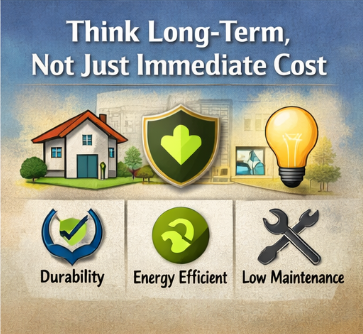
Step 7: Think Long-Term, Not Just Immediate Cost
Many NRIs try to optimise construction costs without considering long-term value.
A better approach is to focus on:
• Durability of materials
• Ease of maintenance
• Energy efficiency
• Flexibility for future needs
A well-designed home should remain comfortable and relevant for many years.
Step 8: Build Trust, Not Just a House
Ultimately, the success of your project depends on the team you choose.
A transparent, experienced, and structured architectural team can turn what appears to be a complex process into a smooth journey.
Final Thought
Building a home in India while living abroad may seem challenging, but with the right planning and professional support, it becomes an opportunity to create something deeply meaningful.
A thoughtfully designed home is not just a structure—it is a place where life unfolds, even across distances.
Call to Action
If you are planning to build your home in India while living abroad, having the right design and execution partner can make all the difference.
Connect with the team at M4A Designs for a structured consultation and explore how your project can be executed with clarity and confidence.
🌐 www.m4adesigns.com
📞 Schedule your consultation today